
What's a Pollinator-Friendly Garden & Why It Matters


The most successful garden designs marry two things: gardens that read as carefully composed, year-round spaces but function as healthy habitat for pollinators—such as bees, butterflies, hoverflies, moths, beetles and birds.
Our multi-award-winning Eco Garden in Worsley, Salford exemplified this approach. The garden was recognised with a Silver Award at the 2018 APLD International Landscape Design Awards, where it was hailed by the judging panel as “a stellar illustration of well-conceived design and sustainable, eco-friendly principles with good aesthetics and cohesion.” This award cemented our designer David’s ability to blend form and function, even within a small space.

At DK Garden Design, we believe that every garden can contribute to a wider meaningful ecological impact.
So, in this article, we’ll explore why gardens should be designed with pollinators in mind, key figures that illustrate the critical role pollinators play in our environment and how designers can lead the way in supporting a more resilient ecosystem.
What’s a Pollinator-Friendly Garden?
A pollinator-friendly garden, at its core, is a carefully considered landscape that provides food and water, shelter and safe breeding conditions for pollinating insects and birds:
1. Continuous Food Supply
Pollinators rely on nectar for energy and pollen for protein. A pollinator-friendly garden provides a succession of flowering plants from early spring through late autumn, so there are no periods of scarcity. This means you need to think beyond peak summer colour and design for early bulbs, spring shrubs, long-flowering perennials and late-season nectar sources such as asters, sedums and ivy.
2. Shelter and Nesting Habitat
A truly pollinator-friendly garden embraces a level of seasonal softness while maintaining overall structure and clarity. Because pollinators don’t just visit gardens, many live in them. A pollinator-friendly garden includes places for them to nest, overwinter and shelter from wind and rain. This might be as simple as leaving hollow stems through winter, retaining leaf litter beneath shrubs, incorporating dead wood or allowing small areas of bare, well-drained soil for ground-nesting bees.
Because, when taken too far, neatness can be destructive.


3. A Chemical-Free Environment
Pesticides and herbicides undermine everything a pollinator-friendly garden is trying to achieve. Professional ecological design prioritises plant health through diversity, soil quality and natural predator balance rather than chemical intervention.
From a professional garden designer’s standpoint, pollinator-friendly gardening is about function layered within form. Every planting decision serves multiple purposes: aesthetic structure, seasonal interest and ecological value.
But a pollinator garden needs not look messy or informal. Strong structures like hedging, paths, terraces, repetition and rhythm allow ecologically rich planting to sit comfortably within refined designs. Pollinators respond to abundance, not chaos; while designers respond to proportion, balance and legibility. The two can be entirely compatible.

Why Do Pollinators Matter?: The Headline Figures
Pollinators are fundamental to ecosystems and to our food supply. It is believed that nearly 90% of the world's flowering plants rely on animal pollination, along with over 75% of our food crops and a third of global agricultural land.
Pollination is also hugely valuable economically. The global estimates of the annual value of pollination services range into the hundreds of billions of US dollars. One recent summary puts the global annual value at between roughly $235 billion and $577 billion, depending on how it’s measured.
At the same time, pollinators and flying insects are under immeasurable pressure. Long-term monitoring studies have recorded steep declines in insect biomass in some regions, which may result in ecological collapse if left unchecked. For example, a major study showed dramatic declines in flying insect biomass in protected areas over a few decades.

Regional monitoring across the UK also shows worrying year-on-year losses for familiar species—a dramatic decline by 22.5% compared to the 2010-2023 average.
These numbers matter for garden design.
Every residential and public garden can either be part of the problem (with paved driveways, pesticide-drenched borders and neat but pollinator-repellent planting) or the all-important solution. As designers, we can create biodiverse gardens that still fulfil clients’ briefs.
How Garden Designers Can Lead Ecological Change
As garden designers, the decisions we make extend far beyond the boundaries of a single property. One professional brief that puts pollinators first can create landscapes that are both life-supporting and award-worthy.
If You’re a Client Working With a Garden Designer
When you’re working with a professional garden designer, make sure to clearly communicate your desire for a pollinator-friendly garden from the outset.
Share your priorities, such as supporting local bees or encouraging butterflies, and ask how they can integrate ecological function alongside aesthetic features. Provide examples of plants or habitats you value, and don’t be afraid to ask questions about maintenance practices, pesticide use and seasonal planning—because that’s going to keep pollinators coming back to your garden year after year.
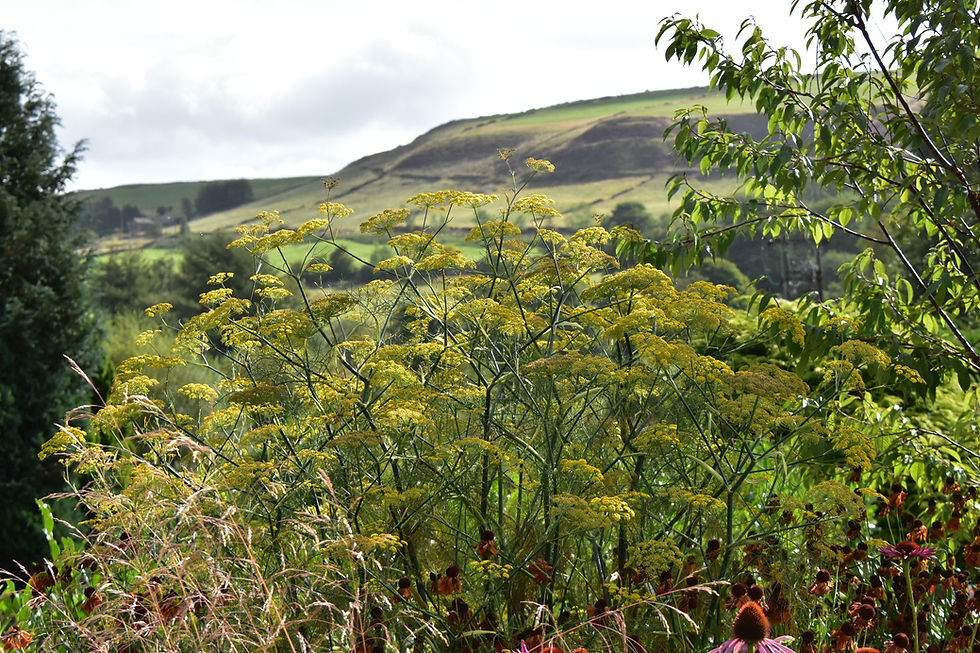
The best designers will translate your ambitions into a cohesive garden, and make sure that form and function work together harmoniously.
If You’re Creating Your Own Pollinator-Friendly Garden
Start simple. Inventory what you already have in your garden, choose six to eight reliable plant species that cover early to late season, create at least three different structural layers and remove pesticides from the equation entirely.
Small changes like leaving a bare patch for ground-nesting bees, swapping a double rose for a single-flowered variety, planting three handfuls of an aster rather than three single pots across the garden can yield more powerful ecological returns than you imagine.

A Pollinator-Friendly Garden Is More Than a Design Choice
It’s a way to support biodiversity, strengthen local ecosystems and bring life and colour to your home year-round.
Whether you have a small courtyard, a suburban garden or a larger-scale landscape, we can help you create a space that is as beautiful as it is ecologically beneficial. Get in touch with us today and we’ll help you transform your garden into a haven for both people and pollinators.


