
The Differences Between Designing a Residential Garden and Public Garden


Gardens offer beauty, respite and a connection to the environment whether they’re tucked behind your home or spread out across expansive public parks.
However, the ambitions and challenges in designing a residential garden in comparison to a public garden are vastly different. And these differences manifest in plant selection, user needs, intended functions, maintenance expectations and resilience to wear like foot traffic and elemental wear.
With X years of experience, our lead garden designer David has created acclaimed residential and public gardens. So, in this article, we tap into his expertise to highlight seven unique considerations that guide him in shaping garden designs tailored to private or communal use.
1. Purpose and Functionality
The primary purpose of a residential garden is to complement the client’s lifestyle and aesthetic preferences. These gardens often focus on personal enjoyment, privacy and domestic use, like outdoor dining, children’s play, vegetable gardening or relaxing after a busy day.
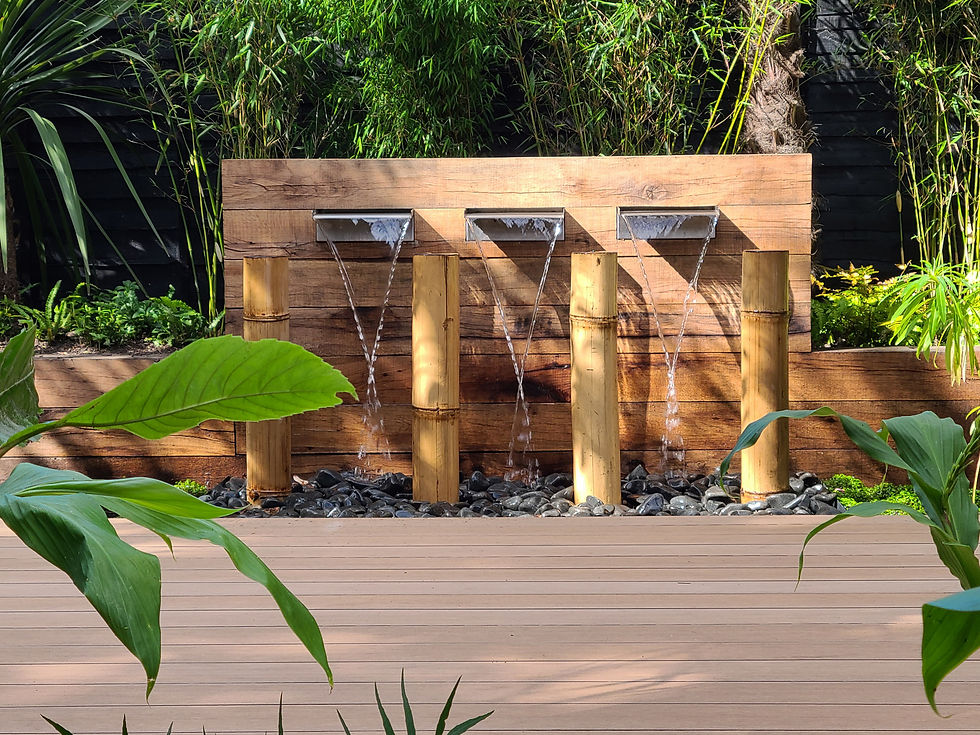
Often, a residential garden design plan will include decorative flower beds, compact lawns, herb patches and cosy entertainment spaces enhanced with features like an outdoor BBQ or water features—read more about why you should incorporate water features into your garden. In essence, every element is tailored to the tastes, routines and needs of the household.
In contrast, public gardens are designed with community use in mind, serving broader functions which can be educational, cultural or recreational.
These gardens must accommodate large volumes of visitors from demographics that cannot be predicted, so will have to include infrastructure to ensure accessibility for all, like public seating and wheelchair-friendly paths. Ultimately, the design priorities lean heavily on durability, safety and inclusivity.
2. User Profile
As we touched on in the first consideration, users of residential gardens are limited to a small number: the homeowners, their pets and, from time to time, their guests. This means David often has direct insight into the users’ gardening experience, family structure and aesthetic or thematic preferences, which enables him to personalise the garden to align with the client’s daily life and personal routines.
On the other hand, public gardens are intended for diverse users that are not only anonymous but can be fluctuating too. They may be families, school groups, tourists, joggers, visitors with accessibility needs… We don’t know, and there’s no way to tell. That’s why the design plan must accommodate their needs as best as possible. And we do this by applying universal design principles to make sure everyone and anyone can access and enjoy the garden.

3. Foot Traffic and Natural Wear
Understandably, foot traffic is a key concern in public gardens. That means footpaths must be durable (paved with concrete, bricks or stabilised gravel) and wide enough to accommodate wheelchairs, strollers and groups of visitors. Since many users may stray from designated paths, design plans must incorporate durable lawn varieties or sacrificial areas in high-traffic zones, such as entrances or event spaces.
To manage unexpected human movement, we may strategically place seating along the pathways to guide foot traffic and reduce unnecessary pressure on lawns. Additionally, we may also use natural or artificial barriers like hedges, stones or low fences to protect sensitive areas from unintentional damage—just in case!
In comparison, residential gardens don’t experience as much foot traffic. Turf areas, stone pavers and mulch paths are often enough to hold up under the light wear. Clients can take full advantage of delicate ground covers, ornamental mosses or decorative gravel that are reserved to them only, without as much concern for compaction or degradation.

4. Plant Selection and Layout
In residential gardens, we often choose plants for their aesthetic value, fragrance, seasonal interest and sometimes edibility. Clients may even specify plants that hold personal meaning to them. Because the scale is smaller, David can account for detailed microclimate conditions like shade patterns or wind channels. There’s also more flexibility to include high-maintenance species, since homeowners can personally manage care—or vice-versa, that’s something to be discussed and decided with each individual client.
The layouts in residential gardens typically flow naturally from indoor living spaces into the outdoors, like our award-winning eco garden in Worsley, renowned for its design philosophy that connects the inside and the out.

Public gardens require a more strategic approach to plant selection. Emphasis is often on resilience, sustainability and minimal maintenance. We need plants that can tolerate drought, fluctuating weather conditions and human interference. That's why we tend to choose long-blooming perennials, evergreen shrubs, and a mix of native and non-native species. This combination extends the season of foliage and flowering, which in turn helps sustain and encourage wildlife and insects. The use of both native and non-native plants is an approach that will only grow in importance as climate change places increasing pressure on wildlife more broadly, due to both their ecological value and their visual consistency throughout the year.
The layout of public gardens is generally more structured and designed for readability from a distance, with sweeping beds and broad vistas that accommodate large crowds and maintain visual coherence.
Depending on the theme of the garden, plantings and features may also need to engage the audience, often incorporating educational components or community-driven elements. In this Alice in Wonderland-inspired garden at Broadfield Primary School in Rochdale, oversized teacups, teapots and other playful features fill the space to keep pupils engaged and immersed in the fantasy.


5. Maintenance and Budget
With plants comes maintenance. And maintenance in residential gardens is dictated by the client’s time, interest and financial investment. Some clients enjoy hands-on gardening and embrace the challenges that come with pruning-intensive plants or seasonal vegetable beds. Others prefer a low-maintenance setup. In which case, we may opt for drought-tolerant perennials and automated irrigation systems.
Public garden maintenance is a more complex undertaking, since they’re often handled by councils or contracted specialists. Not to mention budgets are generally supported by public funding or grants, therefore must be justified in terms of public benefit, which makes efficiency and sustainability even more important.
With all these factors taken into account, automated irrigation systems, self-sustaining planting schemes and long-lasting materials tend to be common when designing public gardens. While plant choices favour those with long life cycles, disease resistance and minimal pruning requirements to minimise ongoing labour and costs.

6. Safety and Liability
In residential gardens, safety concerns are more manageable. Clients are free to include features like ponds, fire pits or sharp-edged stonework, provided they understand the risks and feel confident in managing them within their own space.
When designing public gardens, we prioritise safety to a much higher degree due to legal liability and public accountability—meaning non-slip surfaces, well-lit paths and open sightlines are absolutely paramount to make sure users are safe during their visits. Even seating placement, slope grading and signage must be carefully planned to reduce potential hazards. But, it’s not only design features that must comply with safety codes and accessibility standards, plant selections must avoid toxins and allergens too.
7. Emotional and Cultural Role
Beyond functionality, gardens can have emotional and cultural significance too—and we’ve worked on many that do.
In many of our garden design projects, a residential garden is often seen as an emotional extension of the home. In these instances, design elements may reflect the client’s creative interests, life experiences and heritage. Every little detail may hold a significant personal meaning.
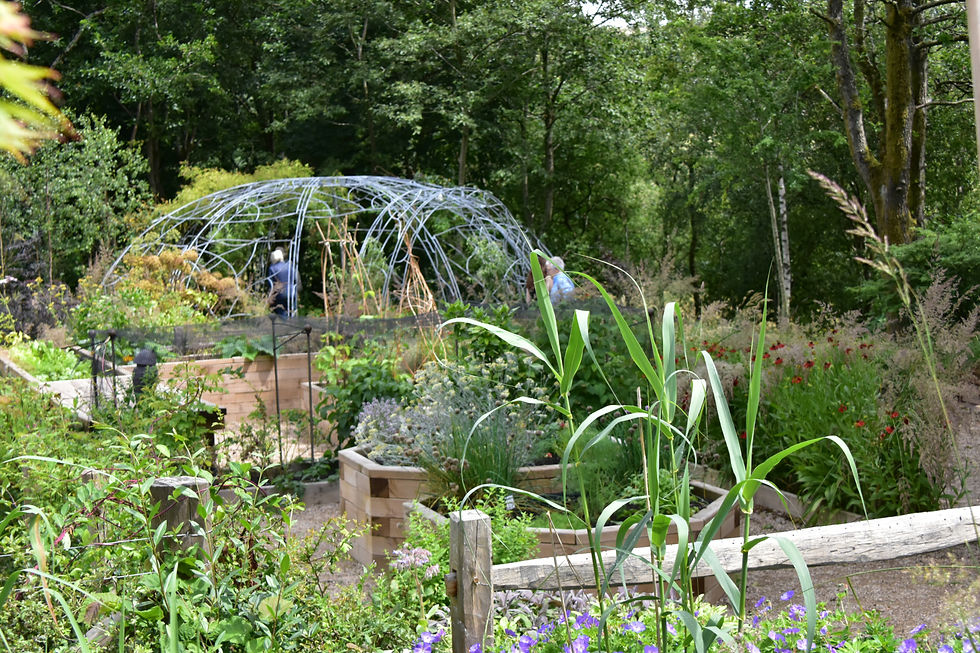
In contrast, public gardens serve as communal landmarks. They often reflect shared values, local history or environmental goals. These spaces may host public events, cultural celebrations or therapeutic programs. For example, in this sensory garden in Rochdale, features like plants and wind chimes introduce sound and movement to bring the space to life. Sculptures, willow structures and an orchard invite touch to enhance the sensory experience. At the heart of the garden, a central dome provides a dynamic space where park rangers host events and classes, making the garden a vibrant hub for community learning and connection.

In a sense, public gardens often go beyond aesthetics and become places of learning, community-building and civic pride.
Understanding the Differences Is Only Step One
In the end, whether we’re designing a residential retreat or a public garden, our goal is the same: to create beauty, functionality and harmony with nature.
If you’re ready to transform your own garden or a shared community space into an environment where people can feel welcomed and inspired, get in touch to start the conversation.


